
Four UQ Chemical Engineering researchers have secured a combined $4.3 million in Australian Research Council (ARC) Future Fellowships, supporting innovative research in sustainable manufacturing, clean energy, public health and climate solutions.
The funding will support projects that reduce greenhouse gas emissions from wastewater treatment, advance hydrogen separation technologies, tackle antimicrobial resistance and develop low-carbon pathways for chemical production.
Professor Liu Ye received $1.33 million to develop an intelligent platform that uses advanced modelling to help water utilities reduce greenhouse gas emissions from wastewater treatment and support net-zero goals.
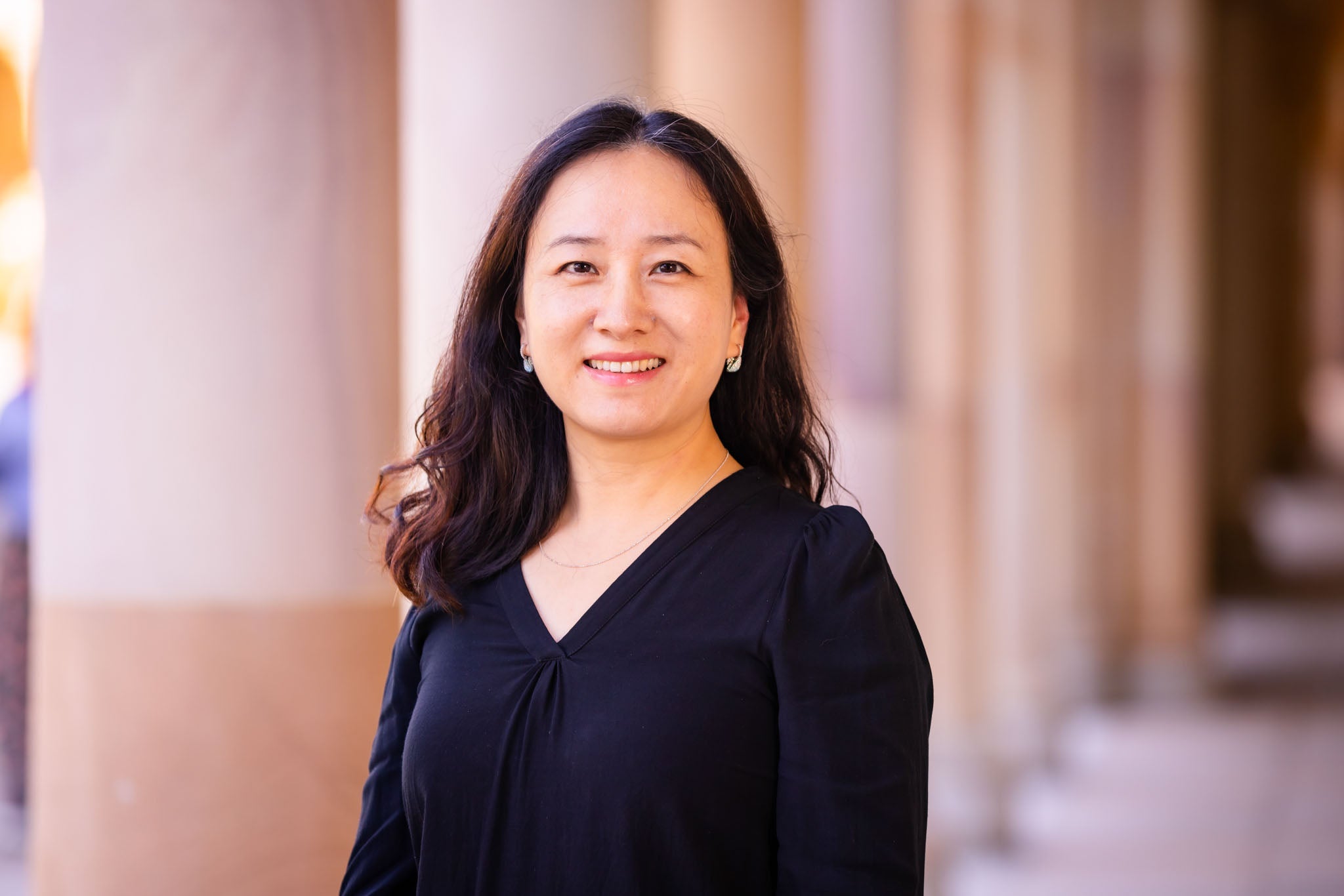
Dr Rijia Lin was awarded $1 million to develop next-generation membranes for high-temperature hydrogen separation, helping overcome key challenges in scalable hydrogen production and low-emission manufacturing.
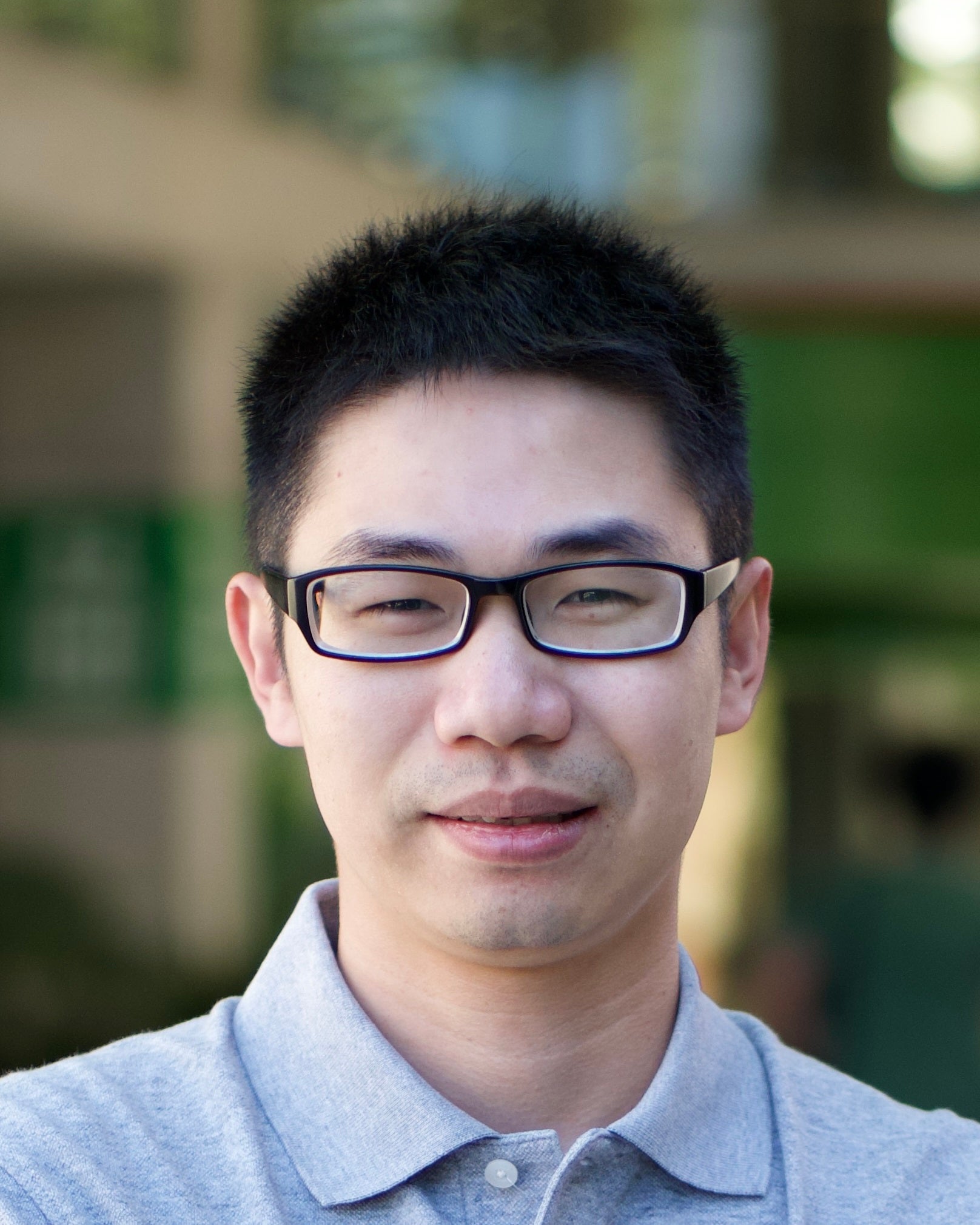
Dr Ji Lu, from the Australian Centre for Water and Environmental Biotechnology (ACWEB), secured more than $1 million to investigate how chemical mixtures influence antimicrobial resistance, using AI and microbiome science to identify emerging risks and strengthen Australia's capacity to respond to a growing global health challenge.
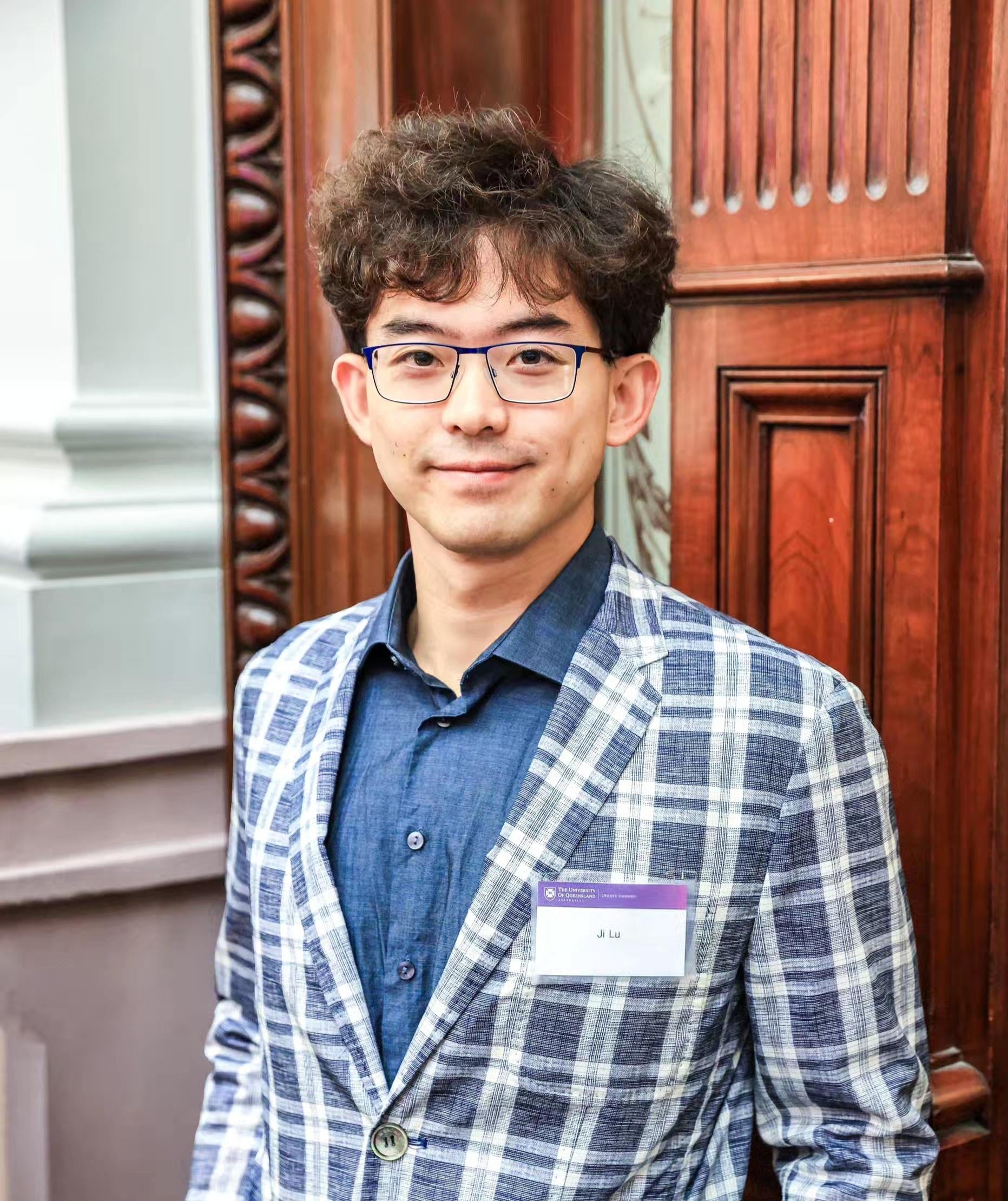
Dr Haijiao Lu received $1 million to develop solar-driven catalytic technologies that convert propane and carbon dioxide into valuable chemicals, creating new opportunities for lower-emission chemical manufacturing.
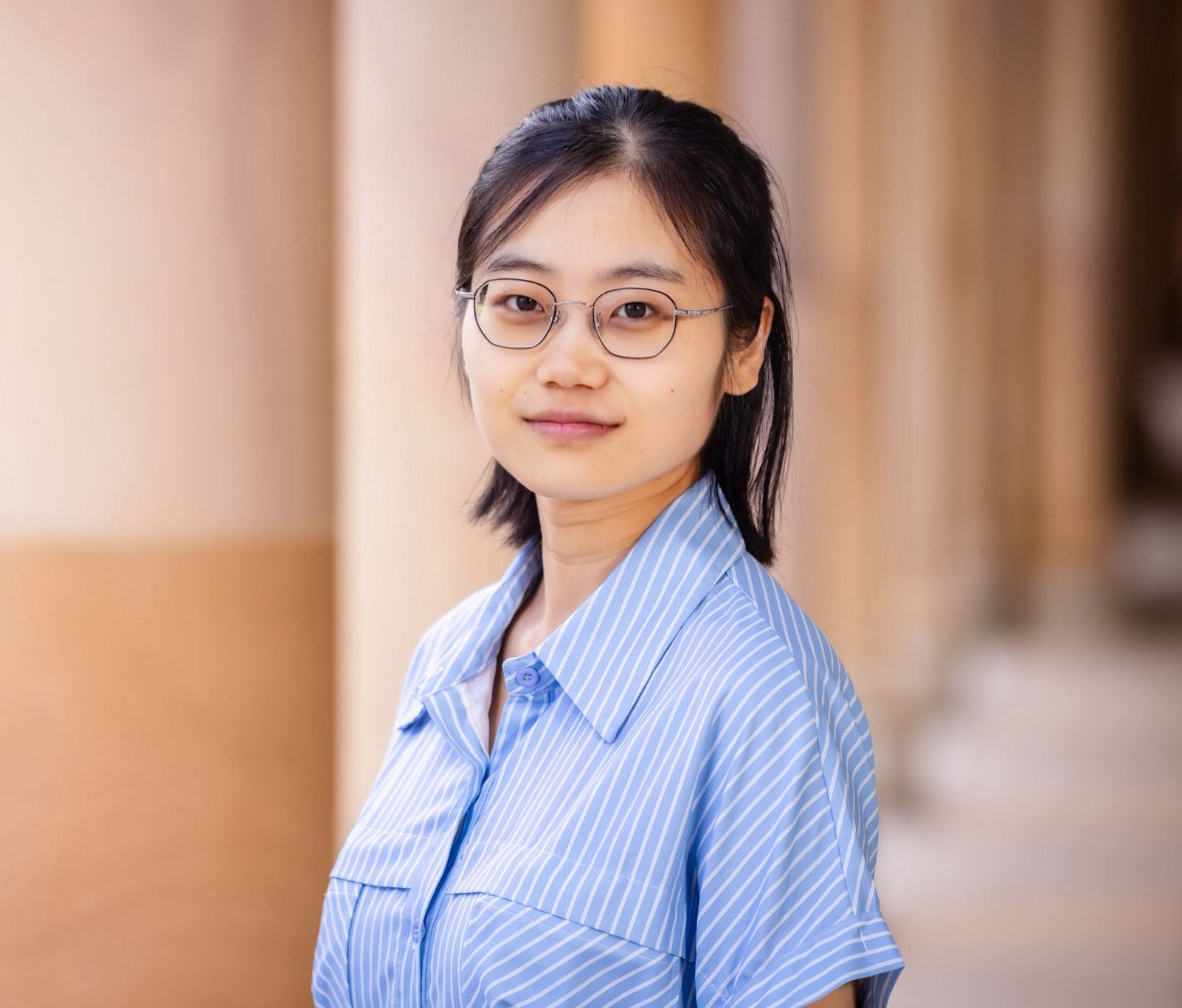
Together, the four fellowships highlight the breadth of Chemical Engineering research at UQ and its contribution to addressing major challenges in sustainability, energy, health and advanced manufacturing.
The ARC Future Fellowships scheme supports outstanding mid-career researchers undertaking innovative research that delivers economic, environmental and social benefits for Australia.


